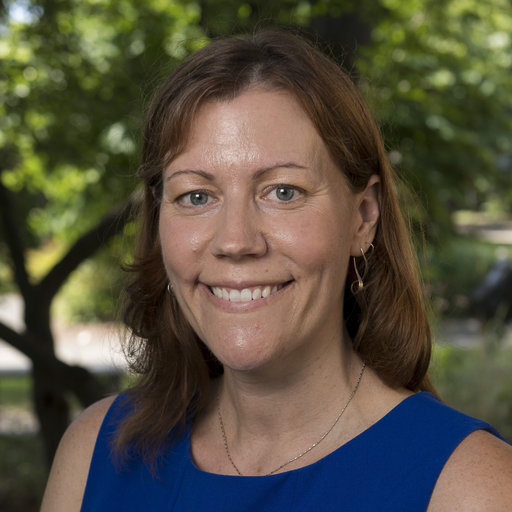
Professor Bradley’s research investigates how the geographical locations of species across landscapes and regions can shed light on the risks posed by invasive species and inform conservation planning.
Native plants are a minority in many garden centers and gardens. As a result, most home gardeners and landscapers predominantly use non-native plants. Unfortunately, this practice is well known to lead to the introduction and propagation of invasive species, which go on to cause harm to surrounding ecosystems. In the context of climate change, status quo garden practices also miss an opportunity to support the translocation of native plants into cooler climates. This presentation will describe how status quo gardening perpetuates harmful invasions, including an exploration of how state regulations fail to stop the ongoing introduction of well-known invasive plants. It will also present an alternative, climate-smart native plant gardening, which can potentially improve the persistence of native species and communities into the future.
Biography:
Bethany Bradley is a Professor of Biogeography and Spatial Ecology in the Department of Environmental Conservation at the University of Massachusetts Amherst and Codirector for NE CASC. Her research has a strong focus on terrestrial plant invasions, with a goal of understanding how invasive plant distributions, abundance, and impact vary spatially. Bethany also leads the Northeast Regional Invasive Species & Climate Change (RISCC) Management network, which addresses the question of how we can better manage for upcoming biological invasions in light of climate change.
Education
Ph.D.: Geological Science (Terrestrial Remote Sensing), Brown University, Providence, RI, 2006
B.A.: Geology, Pomona College, Claremont, CA, 2000